Showing posts with label Healthcare Magazine. Show all posts

Thursday, July 22, 2021

Home Healthcare Comes of Age.

Over the decades the social and cultural fabric of Europe has undergone colossal change leading to a major transformation in the way senior family members cared traditionally. The break-up of extended families and rampant urbanization created a huge gap in the care for the elderly and the disabled or those with chronic diseases.


As older people become more care-dependent but do not need hospitalization, the only viable solution seems to be home care services. The effectiveness of home care services cannot be denied as the benefits are aplenty. Being at home, or in familiar surroundings and in their communities give comfort to the elderly and they remain healthier than they would have in a care center. Besides, they also have a feeling of security and independence staying in their own homes. Individualized care at home promotes quick healing than in regulated environments of healthcare or nursing establishments.


Life expectancy has increased resulting in a rise in the number of old people, lifestyle diseases, noncommunicable diseases, difficulty in mobility, people with mental disorders, or the ones who need companionship and assistance in daily chores.


There has been a whopping rise in the elderly population in the European Union and this is expected to rise exponentially. Nearly 20 percent of the European population is above 65 years of age. From around 90.5 million couple of years ago, it is expected to touch the 130 marks by 2050. With children flying away to different parts of the country, and the globe, home care services become more imperative. Add to it the low birth rates and rising cases of infertility.


Home care provides a huge range of services to assist and care for those who do not need treatment in the hospitals. It could be non-medical personal care, nursing care, home health care. It could include meal preparation, caring for the sick or even healthy senior citizens who live alone, medication reminders, running errands, care during illness, serious injury, progressive diseases like Alzheimer’s, Dementia, even for companionship or palliative care, assistance for daily activities like bathing, dressing, cooking, feeding, transportation, visits to banks or the doctor, supporting the client or patient by doing the laundry and housekeeping, or even shopping.


These services are not restricted to senior citizens but expand to all age groups including children or young adults who need care. Service providers are in huge demand for hospice or palliative care for adults and children with serious illness, from in-home to community-based services.


With technological advancements, it has become easier for health care service providers to coordinate and monitor their clients. Home health care providers are doing exceptionally well in their jobs and their demands are multiplying by the day.


We bring to the spotlight a few such exemplary home care services in Europe that have caught the attention of the world, in our latest edition of Insights Care – Europe’s 10 Most Trusted Home Care Providers 2021.


Have a great read


Wednesday, July 21, 2021

PR Agencies Effectively Marketing Healthcare.

 Building the corporate profile of a healthcare brand has become a vital component in the health care industry. Public relations (PR) agencies not only help the healthcare organization to get a broader reach and credibility among patients and other stakeholders but also aids in the branding process.

They empower health brands to make a bigger impact through various tools including social media. A healthcare establishment’s success and trustworthiness depend largely upon its reputation. With PR agencies in place, a health care organization can rest assured that its reputation will be built, taken care of, elevated, and maintained to fetch maximum clientele.


The past couple of decades have seen a revolution in the healthcare industry, beginning with multi-specialty hospitals and then with tech-driven services and care. With more and more people becoming health conscious and patients refusing to compromise on their treatment and aftercare, the hunt for the best in healthcare has seen a steep incline. This in turn gave rise to fierce competition in the health care segment with each striving to deliver the best and meet the demands of people.

Moreover, people, these days are more aware and well-read about health issues and would visit a health care center only after thorough research and inquiry. Gone are those days when the patient and his/her family took the medical practitioner’s word as the final one. Today, they prefer studying the issue, the repercussions or effects first and then also go for a second or even third opinion if they are not convinced of the first. This has put tremendous pressure on healthcare establishments.


Until a few decades ago, PR in health care was alien to people. Gradually, when PR agencies came into the picture it was primarily for creating awareness about the health care facility, their services and pathbreaking treatments (if any). These were done through press releases and press conferences, and later through websites and emails. Besides publicity, PR agencies also sent gratitude emails and/or gifts to patients and other stakeholders. As technology progressed, so did the means of public relations. Social media and digital marketing occupied the center stage of PR, and healthcare centers indulging in PR became a global name. Today, most of the healthcare centers across the globe leverage modern-day technologies which have increased the demand for PR agencies in health care. PR includes lot of market research and data analysis, studying the competitors and patient needs. Most PR agencies are into integrated health care marketing.

We stumbled upon few PR agencies in healthcare that have helped healthcare establishments reach their patient goals and commercial targets to the optimum, with painstaking efforts. As a tribute to their relentless service, we have featured them in our latest edition of Insights Care10 Most Trusted PR Agencies in Healthcare 2021.

We hope you enjoy reading this interesting issue.

Revenue Cycle Management Solution Providers Easing the Billing Process.

 The medical field has been an ever-evolving one. And when it comes to adopting the latest technologies, be it care or administrative, the medical field has been at the forefront.

One of the most complicated processes has been that of billing and maintaining the billing records of a patient. Constant developments in technologies have thrown an array of possibilities in easing the gargantuan and monotonous tasks of healthcare establishments. One such technology is revenue cycle management.

Even as the healthcare establishments were on a tech-driven spree, the Covid-19 pandemic only shoved them further and faster into it than one could imagine. Revenue cycle management was one of the rescuers of an already overworked medical fraternity. Those who had not yet adopted this technology or were in the nascent stages of adopting also swung into action.


Management of funds, collecting payments, billing, and maintaining a foolproof record has never been easy. To make these processes smooth and simple for healthcare establishments, RCM solution providers came across as messiah for them.

Managing patient’s billing records has become easier with RCM, medical billing software to track a patient’s data from the registration process to the final payment. RCM makes it easy for a healthcare organization to store and manage the patient’s data by synchronizing personal information and the insurance provider with treatment and health care information.

The major task of RCM is to communicate with the insurance companies, check the patient’s insurance coverage during admission and if necessary, do a follow-up with the insurance company in case a patient’s insurance amount is rejected or withheld. RCM significantly reduces the amount of time between providing care and treatment and receiving payment. It also has the responsibility of ensuring the safety of employees.

In fact, administrative duties like reminding patients of appointments, pending payments, and the like that were handled by the staff can be automated through RCM, saving manpower and time. In this regard, it is also a perfect tool for digital patient engagement.

But with rising demand for a service or technology, the market also gets overcrowded with suppliers and subsequently a cutthroat competition, making it difficult to choose the competent one. Some RCM solution providers rose above the rest and set a benchmark for others to emulate.

Our latest edition of Insights Care10 Most Trusted Revenue Cycle Management Solution Providers, throws light on how these solution providers paved the way for easy billing through technology to healthcare establishments by delivering quality services.

Have an interesting read!!

Friday, September 11, 2020

Maple: Leveraging Innovation and Technology for Providing Convenient Healthcare


The healthcare space is changing drastically. With the help of emerging technology, telehealth now plays an important role in shaping how people experience healthcare. Through new tools and software, telehealth is being integrated in day to day life. Maple, a platform that connects patients with doctors in minutes through their computer or mobile device, is leading the charge in Canada, making healthcare more accessible across the country.

Dr. Brett Belchetz, the Co-founder and CEO of Maple believes that this combination of healthcare and technology will dramatically improve the experience of patients. He and his team have been working to make healthcare more accessible with a series of consumer facing and hospital focused technologies. To showcase these new healthcare platforms, we bring to you a unique interview with Dr. Brett Belchetz.

What is Maple? How does it benefit patients and doctors?

Maple is a virtual care platform that tackles some of the world’s most meaningful issues in healthcare, starting with timely and convenient access to doctors and other healthcare providers. Maple’s consumer-facing platform allows patients to connect directly with doctors in minutes from their smartphone or computer 24/7/365.

This system is also leveraged by employers, as a means of reducing workplace absences and increasing team productivity. In addition, Maple provides customized technology solutions for hospitals and clinics that are seeking to advance in the delivery of care. These systems include Canada’s first-ever telehospitalist platform, as well as ER-diversion technologies.

What are your contributions towards the company? What led to the inception of Maple?

I’ve been an emergency room doctor in Toronto for over 15 years. Throughout the years, I’ve seen wait times grow longer and longer while precious resources grow scarcer. Many of my patients have no family doctor, and even those who do often can’t obtain an appointment for weeks. It has always upset me when I saw my patients waiting 4 hours or more to see me in the ER for basic family medicine type issues.

They are usually losing out on a day of work or missing out on important life events. Sometimes they are exposed to the flu while waiting for something that could have been addressed in a few minutes on the phone. I always thought there had to be a better way.

A few years ago, I had a eureka moment after I gave three separate friends’ medical advice by text message in a single week. All three of them were able to avoid a lengthy ER visit and a large amount of anxiety.

In my head, I thought “this is so unfair that my friends and family can access a doctor’s advice any time by text message, while most Canadians have to wait for hours in a waiting room.” My second thought was “wouldn’t it be amazing if we created a service that lets all Canadians contact a doctor the same way in minutes?” And thus, Maple was born.

How is the internet helping to shape healthcare and how is it enabling Maple to accomplish its mission?

At Maple, we believe that through technology and innovation, you should have access to healthcare professionals when and where you need it. You bank online, shop online, and work online. Why not access healthcare online?

Our mission is to tackle some of the world’s most meaningful issues in healthcare, starting with timely and convenient access to doctors and other healthcare providers – so that you can feel better, faster.

Describe the extraordinary journey of Maple so far. Where do you portray it in the years to come?

Maple’s journey has been defined by solutions. When we launched in 2016, we saw ourselves as a purely consumer-facing platform, which would provide timely access to Canadians. Shortly after, a number of businesses approached us to ask about our corporate offering, so we crafted a solution tailor-made to their needs.

Similarly, our hospital program was born out of the determination of the administrators at Western Hospital in Alberton, PEI, who needed to address ongoing physician shortages. Working hand-in-hand with them, we created Canada’s first-ever telehospitalist system.

There are countless other issues that technology can solve in the years to come to make Canada’s healthcare system a world leader, and we will continue to address them.

Describe the revolution that ‘Telehealth’ has brought to the healthcare industry. What are its effects?

Telehealth is the future of sustainable healthcare delivery. It’s been shown that over 50% of healthcare issues can be addressed safely online, with higher rates of patient and provider satisfaction seen compared to in-person care. As our population ages, telehealth allows us to treat patients in the home, saving our precious and expensive hospital capacity for the neediest among us.

Also, telehealth evens the playing field between rural and urban locales, allowing even the most isolated regions to have access to the top medical professionals in the world.

Share with us the most remarkable customer experience along with awards and accolades.

One of the most powerful customer experiences happened on a train traveling through rural Ontario. Hours away from any hospital, a person went into anaphylactic shock. They had an epi-pen, but being in shock, they couldn’t remember how to use it. The person traveling with them logged into Maple, video conferenced with one of our doctors for direction, and then administered the shot. In only took a matter of minutes, but saved the patient’s life.

Our telehospitalist program, which has been keeping the doors open at Western Hospital in Alberton, PEI through Canada’s first virtually staffed inpatient ward, has also been highly recognized by both the Government of PEI, winning its Department Innovation Award and the Health PEI Board’s Leadership in Quality and Safety Award  in 2019. The program has also been recognized in the province’s Legislative Assembly in 2018. We were a finalist for the Canadian Health Informatics Awards in the Patient Care Innovation category as well — the response to the program was amazing.

What advice would you give budding entrepreneurs in the Telehealth space?

It’s easy to get side-tracked by the pursuit of revenue and growth, so it’s important to always maintain your “north star” of why you went into this in the first place. For us, that’s to improve the health of patients in a sustainable way. We’ve been guided by this in all the decisions we’ve made and it served us well.

What are your future goals? Are there any exciting services in the queue to be launched?

Since last year, we’ve been adding a number of specialties to the Maple platform, from dermatologists to lactation consultants. In the near future, we see Maple as the connecting platform, between all your healthcare providers, allowing you to connect with any type of practitioner through the platform which will act as a repository for all your health records to enhance continuity of care.

Source - https://bit.ly/2F5dpp7                                   Next Article - COVID-19: Leveraging Virtual Care for the coming Pandemic

Thursday, January 2, 2020

Cannabidiol might overvalue and under deliver, intimidates FDA


The manufacturing and usage of Cannabidiol(CBD) creams, gels, and pills which are said to be a non-psychedelic, potentially curative compound in the cannabis plant, have been rapidly increasing in the past five years. But CBD is still under speculations, with the Food and Drug Administration(FDA) getting through scientific and public comments to clarify its regulatory strategy toward CBD products. Meanwhile, FDA has started issuing warnings over manufacturers’ grievous claims about CBD’s curative effects.
According to the latest development, the FDA warned a CBD manufacturer for making unproven medical claims about CBD’s health benefits. Besides he also claimed that the compound could treat Alzheimer’s disease and kill breast cancer cells which are again a questionable claim.
Dr. Ned Sharpless, the acting Commissioner of FDA said, “Selling unapproved products with unproven therapeutic claims- such claims that CBD products can treat serious diseases and conditions- this can put off patients from important medical care,”. He further added that there are speculations about the science, safety, and quality of the unapproved CBD products.
Not to be a dietary supplement
FDA has pumped brakes on the CBD products in 2019 for been approved of specific drug usage. Hence it cannot be used as a food supplement. Brian Prather, a registered pharmacist in Michigan selling CBD products, told that the isolated CBD extract from marijuana, which is a cannabis plant higher in concentrations of THC, does not meet the definition of dietary supplement according to the agency’s definitions. It could be subject to FDA action. But CBD extracted from hemp have extremely low-THC cannabis is not federally scheduled as a drug.
Hemp plants, the cannabis plants with 0.3% or lesser THC, are the plants that are no longer defined as marijuana under the Controlled Substances Act.
Emerita at Indiana University School of Medicine stated that companies involved in the CBD market are seeking FDA to place it in the category of food additives called ‘generally recognized as safe’. Although, he dissents as adequate research is yet to be performed and until then it should be confined to ‘prescription-only’ status for its safety and efficacy be established.

A Permanent Fix on Tuberculosis: Claim Indian Scientists


Researchers from the Council of Scientific and Industrial Research(CSIR)- Indian Institue of Chemical Biology Kolkata, and Jadavpur University formed a team and reached a result of how tuberculosis is released from the sacs granuloma formed by the macrophages around the bacteria.
Being amongst the deadliest diseases, Tuberculosis kills about nine million people every year. Surprisingly, out of the nine million people, 32% are Indians.
The disease is been studied for years with no positive results.  Now Scientists have found that the TB bacteria secrete a protein called MPT6, which can be a reason behind the rupture. When there is acidity, these protein structures can change their formation and become toxic to the host cells(macrophages). Rarely people realize that they are infected with TB as it remains in a dormant state until it is infectious. Therefore the cells are killed and the dormant bacteria are released which ultimately harms the body.
The team would try to validate these findings in field strains of TB bacillus and study if they can be used to develop new curative interventions. With this discovery, scientists will be looking for methods to neutralize the effect of MPT6 protein and research to keep the TB locked-in permanently and save millions of patients. The results will be presented in the Journal of ACS Chemical Biology.

Tuesday, August 20, 2019

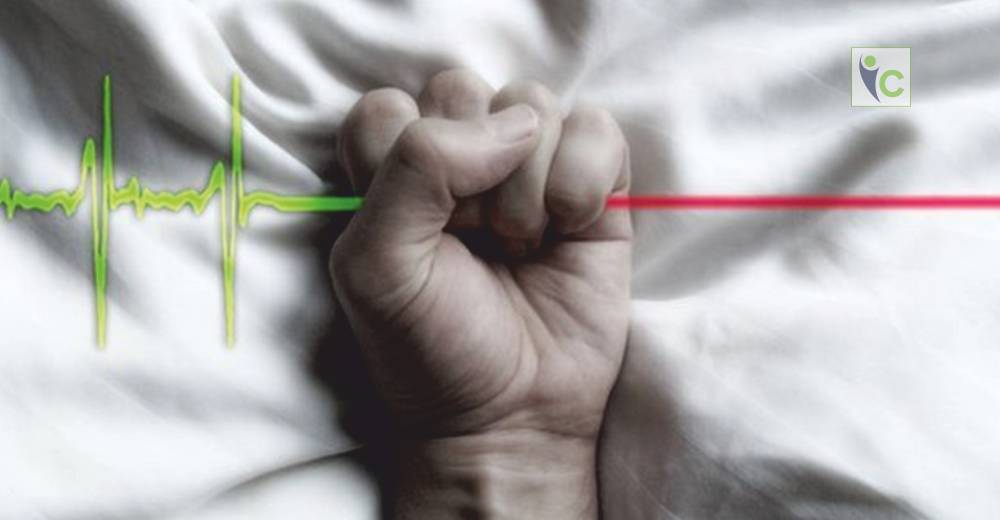
Euthanasia – A Planned Full-stop

Euthanasia | Insights Care
Euthanasia – A Planned Full-stop
Somewhere in the world, an old man was on his death bed, doctors pumping life into him artificially. He wished to die peacefully in his own home, surrounded by his family, and not on some hospital bed. Placing this will in front of the doctor and his family members, he asked them to take him home when still alive and let him die at his own conditions. After all the arguments and looking at his irreversible medical condition, they had to comply with his wish and they arranged to take him home. Living at the mercy of a ventilator, he asked to be free of this life-support after he met all his family for the last time, dying happily surrounded by everyone that he loved. The old man chose what we today call Passive Euthanasia.
The word Euthanasia, widely known as mercy killing, has created a hustle enough to grab everybody’s attention today. Sometimes attached with sentiments, sometimes with controversies, and sometimes with ethics, it has divided the world population in two parts- those in favor of and those against. Coming from the Greek words- ‘Eu’ meaning good, and ‘Thanatosis’ meaning death, Euthanasia is basically a term for ‘Good Death’. It is a term used for what they call peaceful, dignified, easy, or gentle death.
In our history, we can find countless acts where hopelessly incurable patients were given easy death. Years ago, in Greece, patients with terminal illness suffering with a lot of pain were given a poisoned drink, in the form of a medicine, by the physicians in order to bring them an easy death. Also, in India, incurable patients were drowned in River Ganges, to release them from the life full of pain. These are the perfect examples of active euthanasia- an act to bring upon a deliberate and direct death to a patient. In ancient times passive euthanasia, correctly termed as orthothanasia, was also practiced. In this, the patients are allowed to die, by with-holding or withdrawing the treatment, rather than killing them directly. During the rise of Nazis, under a program to eliminate life unworthy of life, Hitler ordered the sick and disabled to be euthanized on large-scale, in 1939. Although all through the history most of the religions and philosophers deemed euthanasia as a sin or a crime, there were some who advocated the action, for good, bad, as well as horrendous reasons.
There are various forms of Euthanasia- active and passive that we saw before, voluntary, non-voluntary, and involuntary, direct and indirect, and assisted suicide. Euthanizing a person on his/her own request is voluntary euthanasia. In non-voluntary euthanasia, a person is not in the condition to place the request or unable to make the choice, like a child or a mentally unfit patient, so someone on the behalf of them takes the decision. When the patient refuses to die and even then is euthanized, such a case falls under involuntary euthanasia and is mostly ruled as murder. In indirect euthanasia, a patient is given a treatment that has the side effect of speeding up the process of their death. This is usually done with the intention of reducing the pain and also called as palliative care today. As the motto is not to kill the patient but reduce the pain, it is accepted as euthanasia. In assisted suicide, a dying person who needs help to kill themselves is assisted in doing so to allow easy death.
The argument about the morality as well as the legality of mercy killing is age-old. It prevails even today and may exist always.
Most of the religions believe that the life is given to us by god and it is not ours to take. Moreover, euthanasia decreases our respect towards the sanctity of life, they argue. Although free to do our will, by taking someone’s life or helping in the act, we deny god’s right over our lives and hence euthanasia is morally unacceptable.
While this is the religious attitude, there are several practical reasons that put euthanasia under the bad light. People have argued about how there is no way to perfectly regulate euthanasia and how, once legalized, it can be misused to take somebody’s life for other benefits. There is an argument that voluntary euthanasia can be the beginning of the slippery slope towards the involuntary one. Then there is some philosophers’ long-standing feud about mercy killing not being in the best-interest of the patient and no living soul, in how much ever suffering, should be willing to kill themselves, under the pressure of euthanasia. They have also argued about how ending a person’s life not only affects him/her, but also their family and friends as well as society as a whole, and hence is not in the best interests of everyone. It is also said to give too much power to the doctors and hamper their commitment to the patients and demotivates the research of better cures. Many people believe that palliative care eliminates the need of euthanasia.
Recently, a lot of people have spoken up in the favor of euthanasia. They believe that it is a person’s right to choose to end the pain and the right to die. According to some, human rights that exist already cover the right of a person to die. There are arguments about how in the suffering of a patient, their family and friends suffer along with them, emotionally, financially, as well as physically. The patients choose euthanasia to end their pain as well as their loved ones’. Some people do not have resources to afford palliative treatment and hence, the patient suffers immeasurable pain and death may be a better option for them. It is argued that it is possible to regulate euthanasia; some go to an extent to say that the laws against murder are sufficient for such regulations. They say that if the death of a person causes no harm to anyone, their right to die shouldn’t to be taken away from them.
These differences in people’s beliefs and thoughts continue to exist. They exist in the arguments of medical experts as well; while some speak in favor of it, some are completely against. There may never be a definitive answer to the question of ethical validation of euthanasia.
Many efforts have been made to change the laws and policies related to euthanasia in various countries. Even then, we see a limited success to its legality in today’s day. Belgium has the most liberal law for euthanasia; it not only gives the right to physically and mentally ill adults to it, it has also legalized euthanasia for terminally-ill children. Other countries where mercy-killing has been made legal are Colombia, Netherlands, Luxembourg, and Canada. While active euthanasia is illegal in many countries, passive has been made legal by many of them, including Argentina, Chile, India, Germany, Finland, Sweden, to name some. Australia, Turkey, France, and Philippines are one of the few countries where any form of euthanasia is completely illegal. Western countries are seen to become more accepting of people’s right to die, but on their own conditions that are sometimes liberal and sometimes stringent.
Euthanasia, a word associated with morality, ethics, controversies, arguments, and so much more, has been a good and bad story of many people’s life. While it can be exploited for heinous reasons, with proper regulation policies in place it is the end of pain for many. Used as a blessing in disguise, a blessing of peaceful death, it may enforce the complete freedom a person can have over their lives. Yet, the question remains, about its morality and acceptance. And maybe it always will.

Tuesday, June 18, 2019

An Experienced Surgical Gastroenterologist & a GI Cancer Surgeon | Dr. Deepak Govil

“Surgery overall is a very interesting field. It’s my passion. Whether you do open surgery, Laparoscopy or Robotic surgery, the basic principles of surgery remain the same and need to be followed strictly to achieve good outcomes for patients,” are the views of a renowned Surgical Gastroenterologist, Dr. Deepak Govil, who has over 30 years of experience as a Surgeon, he is currently working with Indraprastha Apollo Hospitals, New Delhi.
Dr. Deepak was fascinated since childhood to see the prefix ‘Dr.’ before his name. Speaking of his motivation to become a doctor he says, “Also this being one of the most respected professions has always impressed me. Coming from a simple family, my parents wanted me to become a Doctor.”
His parents never let the limited resources stand in the way of providing him the highest of education and made lot of sacrifices for his education. “I sincerely wanted to fulfill their dreams and worked very hard to get into medicine.” he says.
Dr. Deepak’s elder sister was admitted to MBBS at the Lady Harding Medical College, which along with his parent’s motivation was the driving force and a strong factor in his becoming a Doctor. Reminiscing old memories he asserts, “I can never forget the expression of happiness and satisfaction on my mother’s face when I got the selection letter from AIIMS for MBBS entrance.”
Inspiring Journey of Dr. Deeepak Govil
His journey as a medical student began with getting admission into AIIMS. Here he completed his MBBS, “It was a great experience” he says. Working alongside some of the greatest surgeons of that time Dr. Deepak thoroughly enjoyed his training at the AIIMS. Speaking of his memories he asserts, “I was always impressed by the great Surgeons at the AIIMS, namely Prof. Atam Prakash, Prof. I.K. Dhawan, Prof. BML Kapur and Prof. S. Nundy.”
He has a strong belief that surgery is all about learning and nurturing skills to remove the disease and ailments of a person, and not mere prescription of medication. He says the compliments and blessing of the patients are his most treasured ‘assets’.
Earning the prestige of being an expert in GI surgery didn’t come easy, many years of hard work went into developing this skill, “I was fortunate to work in the unit mainly concentrating on GI Surgery during my MS (Surgery). There I learnt the value of discipline and hard work in Surgery. There were 2-3 days continuously when we were in the OT on 8th floor at AIIMS and used to watch Delhi from the glasses of that floor and worked just on and on.” here he was exposed to all major surgical procedures.
Then he moved on to join Dr. Ram Manohar Lohia Hospital, where he learnt the importance of simple surgical procedures. “I learnt from Dr. KN Shriwastav that no procedure is a minor procedure. One should not take any procedure lightly and do every procedure with same patience and meticulous technique.” Within few years Dr. Deepak decided to move further.
Around this time he got married and speaking of his wife, he asserts, “I am very grateful to my wife, who sacrificed her career for me to progress and fulfill my ambitions. She looked after the kids and family and kept me carefree from this aspect.”
Dr. Deeepak joined PhD in GI Surgery at the Department of GI Surgery, AIIMS under the guidance of Prof Samiran Nundy after taking study leave. He also worked for almost a year without any honorarium or pay during this course. “I owe everything I have to my Alma mata. It is one of the finest training I have ever had in the Department he added.
After completing his PhD in GI Surgery, he then joined GTB Hospital as Assistant Professor in Surgery. Fortunately, he got a break to become a consultant GI Surgeon at the PSRI Hospital of liver and digestive diseases. Here he started the Department of GI Surgery under the guidance of the then Director Prof B.N. Tandon.

Friday, March 22, 2019

Life Wins Care Wins Poised to Serve and Enrich Quality of Life, Wockhardt Hospitals’ Leading Healthcare with Innovation & Excellence

The healthcare businesses including all stakeholders are evolving rapidly and the future looks radically different from present. People now have easy access to healthcare information, which keeps them updated. Digitalization and integrated patient-centric approach is giving rise to databases, thus changing the nature of how healthcare operates. Also, technologies like Artificial Intelligence, Additive manufacturing, and Machine Learning are acting as game changers in the healthcare industry, and will bring about major changes in incoming times.
‘Healthcare is all about providing best services with superior patient outcomes.’ A Hospital chain that has proved just that is Wockhardt Hospitals (WHL). Its main focus and aim being on clinical quality and patient-centric care, Wockhardt Hospitals are bridging the path through best medical practices, best nurses and doctors, best teams at par, best of the technology, and updated with the best medical practices. To gain further insights into this journey full of innovation and patient care we bring you an exclusive interview with Zahabiya Khorakiwala who is theManaging Director and driving force behind this new-age chain of multi super-speciality Wockhardt Hospitals. She is deeply involved on all strategic and operational activities of the company. Under her leadership WHL has achieved profound success and is soaring new heights with each step. In 2018, under her leadership WHL launched a super-speciality hospital in Wardha district of Maharashtra. Zahabiya strongly believes that healthcare industry is on the cusp of paradigm shift and today the three stakeholders of this industry – government, private players and the society have an exciting opportunity to collaborate and redefine India’s health system in order to power the nation’s growth and development, ensuring effective utilization of the resources- Capital, drugs, technology and human resources.
  1. Kindly brief us about Wockhardt Hospitals.
Wockhardt Hospitals is a chain of tertiary care super-specialty hospitals with facilities in, Nagpur, Nasik, Vashi (Navi Mumbai), Rajkot, Surat, Wardha, South Mumbai (SOBO) & North Mumbai (NOBO). Our establishment of 350 bed Super Speciality Greenfield Hospital in South Mumbai – The New Age Wockhardt Hospitals, Mumbai Central, which got accredited by JCI (Just Commission International) within 3.5 years of its establishment. Our facility has a Pediatric Cardiac Sciences Centre, with a renowned super-specialist team, and state-of-the-art technology, of global standard. All our hospitals have state-of-the-art infrastructure and globally benchmarked processes to enable quality healthcare and patient safety. The overall 1500 bedded hospitals have over 1000 Standard Operating Procedures or Protocols for both clinical and non-clinical processes in place. The guiding philosophy of Life Wins! Stands for serving and enriching the quality of life of patients.
We has developed proprietary novel Autologous Growth Factors therapies which provides drastically improved clinical outcome over the existing available treatments including  diabetic foot ulcers, wound healing, musculo-skeletal pain management, hair regrowth, scar less surgery, broken bone healing and aesthetics.
  1. Kindly provide us in brief about your organization and how has the company progressed over the years?
Embracing innovations and constant up gradations in health services have been our forte that has been constant over the years. We at WHL have identified three keys areas that have been the mainstays over the years and have contributed to our success.
Focus on Quality and Patient Care – We at WHL practice highest quality standard to deliver superior clinical care. We have ensure that all our hospitals are NABH accredited and also the group’s flagship Hopsital the ‘New Age Wockhardt Hospitals’ at Mumbai central has received the coveted JCI accreditation within first three and half years of its operation.

Sunday, January 27, 2019

Precision Medicine as a Paramount Modification in Healthcare

Medicine has always been an important sector for humans as it assists in providing a cure for every kind of illness. Over the past few decades, there has been a surge in the number of advancements within the field of medicine. The various technologies such as artificial intelligence, Internet of Things and virtual reality are in the works to be implemented into the healthcare stream. Today, humans also have a vast array of treatments and medicines available as well, to help them heal and live a healthier life. One among such treatments that is still in its testing stages is Precision Medicine. This aims at targeting very specific areas affected within the person’s body and ensuring a cure for the same. It also aims at eliminating the disease from the roots. Although it is yet to be brought into full scale production, it is touted to be a game changer for the field of medicine.
Formulation of a Pragmatic Concept
For as long as science exists, there is always room for new discoveries and more medical advancements as well. The fields of bioinformatics and scalable gene sequencing have shown tremendous progress with regard to how medicine can be individualized. For this concept to be a success, it will require a lot of patience and for the researchers, providers and patients to work in unison. It is also a wonderful kick start where the potential for components such as genomics and digital imaging, combined with brain power of a pathologist and the abilities of IT have created an ideal environment to work on this advancement. The human genome comes with its own complexities and cracking the code for each of the 7 billion plus people in the world maybe a challenge but nonetheless, the mapping technology of the same has brought forth a surge of development in the field of targeted therapies.
When an individual falls ill, they go to a doctor to find a proper diagnosis and an effective cure. So far, generalized medicine has been finding the cure for a majority of the population. This way, the person is suggested a common medicine that others also have given for the same condition. But, there are various factors that may not allow a person’s body to heal from the illness. It maybe an allergic reaction to the components of the medicine suggested along with the dosage.
Precision medicine on the other hand will attempt to prevent the sickness before the person can be affected by it. This also results in earlier diagnosis for the patients and hence helps in giving them the required treatments. This uses family history to track down if an individual is susceptible to catching a particular illness. It acts as a time –saver and thus allows for the time to be utilized in developing even more potent drugs while also cutting costs. Apart from creating effective drugs, doctors may also be able to use this technology to find a diet that is exclusive to one individual and also test out the bacterial content in the digestive system in order track down any harmful ones. They will also be able to have on the spot tracking of blood sugar levels and heartbeat to detect any irregularities. Traditional medicine usually sees everyone as an equal when it comes to illnesses but precision medicine digs deeper to find the root cause. This tailors it according to the requirements of the people and hence allows them the potential to think of ways maintain people’s health.

Wednesday, December 26, 2018

Never Miss a Dose: Medication Apps

Mobile phones, especially smartphones, are doing more than what they were intended to do. Thanks to all the apps that developers around the world are busy making to simplify the lives. These mobile apps come in all shapes and sizes and do a myriad of things for smartphone users. While gaming, social media, and retail apps continue to rule the charts, health apps are surely catching up. With people becoming more health conscious than ever, these apps are also making their mark.
Good health is attributed to many factors.  One needs to have a proper diet, exercise, routine checkups, and the likes. What most people tend to neglect intentionally or unintentionally is the medication routine. Medicines, be it a lifesaving drug or just a vitamin pill, is also essential for good health. Unfortunately, most people tend to forget taking their pills on time. Some blame it on their schedule, some don’t find the time, some are too busy to remember, and some, like the elderly, just forget to take it. According to a report published in Annals of Internal Medicine, September 2012, America loses $100 – $289 billion in a year due to medication non-adherence. The situation is graver in case of chronic illnesses. Treatment of such disease requires long-term use of medicines. But patients are seen not adhering to it due to various reasons. A study from Mayo Clinic states “approximately 50% of patients do not take their medications as prescribed.”  This amounts to not only monetary loss but also health issues. Some patients end up in emergency rooms because they did take medicines on time.  Even small issues turn into serious ones if not treated properly. Doctors have long been advising people to take their medicines as prescribed. But the results just don’t match up.
Keeping a digital eye on health
Mobile apps are now being used to fight this underrated health concern. A huge population of these patients uses smartphones. Mobile apps are now being recommended by doctors and other patients alike to tackle this menace. These apps are easy to use, mostly free, and are designed to perform a lot of things for the patients. These apps have a number of features to assist patients with drug adherence. The process is simple and starts with the patient uploading their prescription or filling in the drugs that they are on. They can then customize alarms, set up emergency numbers, put a tracker, and other such features. Some apps even use games to help patients understand the importance of taking medication on time.
Apps full of features
Different apps offer different features and sometimes address only a particular concern. Some apps are free of cost while some are premium and offer much-advanced features. But most apps do the following:
Set up reminders — Easiest way to get your dose on time is to set up alarms. The apps set off alarms at a definitive time and some even light up the screen with particular colors to remind the patients of their pending dose. Some even auto-adjust to the time zones, so that the patients do not mess up their dosage when traveling to different parts of the world.
Send messages to caregiver — Some apps send messages to the patient’s caregiver (mostly family member) and doctor when they miss a dose. They can then remind the patient to take their medicine.
Manage family health — Some apps can help patients deal with multiple profiles. This allows one member track the medicine habits of the entire family.
Drug Interaction – Few apps have the feature to let patients know about drug interactions i.e. if any two or more of one’s medicines can react and cause issues to his/her wellbeing. This feature can really help if one takes over-the-counter drugs with prescribed medicine.
Medical Jargons – Mobile apps can let patients understand medical terms too. Terms like CR (Controlled Release) printed on the medicine can often be confusing for patients. These apps help them crack such codes.

Tuesday, December 18, 2018

Balancing Health and Fitness at Workplace

The modern corporate life is very challenging and hectic. Due to the highly competitive business environment, employees have to give their 100% at work, at times even more than that. They have to deal with a variety of issues at the same time in the office including client meetings, deadlines, weekly and monthly goals, and so on. As a result, most of their time is spent either in the office premises or in front of laptops or computers. Employees get very little time because of which indulging in healthy activities like exercise, going to the gym, or other similar institutions often becomes difficult.
Maintaining a Healthy Routine is the Biggest Challenge
These days, employees get very little time to engage in healthy activities. They spend almost 9-10 hours in office. After this hectic office routine, employees find it lazy to go to gym or attend dance or yoga classes. Moreover, many also engage into unhealthy snacking considering it as a stress buster. Also, stress of office work prevents them from enjoying quality time with friends and family.
For many, the prime challenge is not only to meet the deadlines, deal with client demands, and upcoming performance reviews. In fact, for them, maintaining a healthy diet and accomplishing their fitness goals amidst team lunches, short snack breaks, month-end, and birthday celebrations with cakes and fried food is also a big pressure. Being a part of the office fun is essential for building a team atmosphere. But, it creates hindrances for one to accomplish their fitness goals.
Setting Desired Objectives
In order to remain healthy and fit, individuals can set certain goals which are specific, measurable, achievable, relevant, and time bound. They can create a specified framework which can be followed for better health-oriented results. For example, an individual can set a certain time limit within which they intend to shed/gain weight. Following small routine activities like reducing sugar intake or a short walk after lunch can be very helpful.
Steps to Accomplish Health Goals
Maintaining a healthy routine isn’t very difficult and can work wonders if followed properly. Individuals can follow the below mentioned steps to meet their health objectives.
Constant Reminder
Individuals should always remind themselves of why they started following a healthy regimen. People should understand the importance of the goal. Subtle reminders at workplace will help them to stay focused. For extra attention, people can put a sticky note on their desk or on their computer screens. These reminders will help them in controlling their cravings for a pastry or a take-out.