Showing posts with label Best Healthcare Magazine. Show all posts

Monday, November 30, 2020


For most people, sitting on a dentist’s chair is a nightmare. More often than not they ignore their dental issues opting for home remedies or over the counter drugs, just to avoid a visit that they think will be more painful than their current situation.

However, such an attitude can aggravate a simple pain to some serious issues if not taken care of at the right time. Dispelling this fear of the chair is Soulful Dental Care’s main objective. The dental care clinic offers painless, effective and long-lasting dental treatment in a comfortable and friendly atmosphere creating a setup where patients are taken care of as a family.

Soulful Dental Care offer services related to pediatric dentistry including preventive dental treatment like fluoride application and pit and fissure sealants, painless root canal treatment, metal-free white composite fillings, colorful twinky star fillings for kids, steel as well as ceramic caps for milk teeth and permanent teeth, painless tooth removal and space maintainers & orthodontic treatment all offered in a child-friendly environment.

The core team of the clinic includes Dr Swapnil Rachha (MDS-Pediatric & Preventive Dentist), Dr Mrs Sneha Rachha (BDS-Dental Surgeon & Implantologist) Dr Shruti Athalye (Dental Surgeon & Cosmetologist) and three well trained dental assistants skillful in handling patients gently.

Here’s Dr Swapnil Rachha, sharing how he followed his passion and established the dental care clinic.

Kindly brief us about your journey as a dental practitioner and your clinic.

I cannot be more grateful in the way in which my journey has been shaped. Inspite of being the son of a banker, I had an interest in biology and the human body from an early age which led me to opt for dental science which is a speciality itself in medical science. Since my early days in dentistry, I was always intrigued by kids and their dental treatment. My inclination towards pedodontics increased as I received immense love and affection from the kids and felt responsible to throw myself in dedication for working towards preserving and maintaining kids’ dental health and well-being which subsequently led me to start an exclusive dental clinic for kids in Pune by the name of Soulful Dental Care.

Since the establishment of the clinic, I have been blessed with wonderful child patients from all strata of society and the clinical practice went on to settle pretty fast, serving several patients every year. Recently we have completed 4 years of service and the amazing response from our patients only seems to motivate us to work harder.

What is your opinion on the adaptation of novel technologies in dental science?

Technology and the latest innovations have changed the face of dental science. In the earlier days, many sensitive patients had to be forcefully held during tooth removal, with the advent of advanced techniques & sensitive equipment saving the natural tooth in a painless way and maintaining the right form has become the norm of dentists all over the world. Different types of anaesthesia for painless dental surgeries, use of nitrous oxide sedation in anxious child/ adult patients, use of lasers in dental procedures, highly efficient endomotors and apex locators are some of many novel technologies routinely used in a dental practice today. Even preventive dentistry has so many advancements so that dental surgeons can prevent many dental diseases from occurring via non-invasive dental procedures and saving a lot of future costs and trouble. Hence, I have a firm opinion that the dental field has evolved in a way that all patients have immensely benefited from it and patients are no more horrified for a dental visit and dentists are no longer considered as monsters!

Share with our readers the measures that have to be taken to maintain good oral hygiene. How would you suggest we should spread awareness for the same?

Maintaining good oral hygiene is an important daily routine which all must follow meticulously. The most common questions that patients have are how often to brush, in what way and which toothpaste to use etc. I personally suggest using a soft-bristled toothbrush and fluoridated paste with 950 to 1000 ppm fluoride of any good company to brush teeth twice daily once in the morning and once at bedtime. Toothbrushing should be done with moderate forces applied on teeth and giving horizontal as well as vertical strokes till approx 3-4 minutes, covering all surfaces followed by thorough rinsing with water. Use of dental floss and medicated mouth wash are also very good adjuvants in maintaining good oral hygiene and preventing dental diseases. Best way to spread awareness in patients is visiting your dentist regularly and magazines like Insight which reach a lot of people and provide vital information to readers.

What is your opinion on the shortage of healthcare facilities and workers to cater to the growing number of Corona Virus Cases?

Reducing mortality is the highest priority that should be given in the current situation so increasing resources in the form of beds with oxygen supply and ventilators are the way to go. Doctors from all fields should be recruited in the service of COVID care centres to reduce the existing burden on the team of doctors serving the purpose. Jumbo COVID centres are already in place which needs efficient staff to manage patients appropriately which will lessen the burden of cases on hospitals.

What difficulties has the pandemic brought about for your clinic and the dental industry in general? How are you equipping yourself/your clinic to manage the same?

The COVID pandemic was unprecedented and has hit all sectors equally. The dental field had a major hit since patients initially were hesitant to come in close contact where they had to remove masks for treatment. But dental pain and dental disease is a thing one cannot neglect for a long time hence the need for emergency and then routine dental care emerged. Soulful Dental Care was fully prepared to handle the adversity since the time the crisis hit and we geared up with all safety procedures and equipment according to government guidelines.

We provided patients with timely tele and video consultations. We started scheduling patients by appointment basis only and hence avoided crowding in the clinic. Every patient and the accompanying person were screened for body temperature and oxygen saturation using a pulse oximeter. Maintaining clean and sterilised air in the clinic was possible due to the installation of top-class Japanese AIR purification system and negative ion generators. Nanotechnology is being used to thoroughly sanitise the entire clinic operatory at regular intervals after each patient visit. I can proudly say that thorough sterilisation of every instrument going into the patient’s mouth along with the use of advanced disinfection methods has helped all our patients get effective and safe dental treatment in this testing phase.

What have you planned for yourself/your clinic (in terms of expansion or new equipment) in the coming years?

Soulful Dental Care has completed 4 successful years in 2020 and after providing treatment for thousands of patients and helping them gain a better smile we are upcoming with a second branch in Kothrud considering the demand and need for good dental services around. The second branch will be an advanced centre for multispeciality dental treatment and dental implants with all the latest technology and equipment in a comfortable environment for patients.

Source: https://insightscare.com/soulful-dental-care-quality-dental-care-in-a-comfortable-environment/

Next Articles: 

https://insightscare.com/sweet-smiles-dental-clinic-spreading-smiles-with-your-safety-in-mind/

https://insightscare.com/impact-of-covid-19-on-dental-practices/

Facing Challenges with a Smile


Challenges are always around the corner. What matters is how prepared are we to tackle it. However, at times, we find ourselves amidst situations that only are a part of the fiction. The novel Corona Virus pandemic has been one such situation which threw everyone off balance.

The medical fraternity has been the worst hit, to say the least. On one hand, they have proven to be the real saviours of humankind. On the other, they have been the ones most infected. As frontline warriors, most medical practitioners have been fighting the pandemic in COVID Care centres. However, there are a few that have been fighting the pandemic in their own way, Dental Practitioners being one of them.

Dental practitioners come in very close contact with human saliva and nasal droplets. This proportionately increases their chances of being infected by a COVID patient – whether symptomatic or asymptomatic. In the initial months of the pandemic, dental practitioners were advised to stop their practice for the time being. However, health emergencies seldom wait.

What the practitioner’s community did during the partial disruption was to prepare themselves for the times ahead. Safety gears like PPE kits and gloves were ordered in bulk. Thorough sanitization of tools, and clinic’s surfaces and their routine were established and air filters were installed.

Technology played a huge part in this preparation. To avoid crowding, online consultations were given and patients who needed physical attention were called in clinics with prior appointments.

In this special edition of Insights Success, we bring Pune’s Most Recommended Dentists During Covid-19These dentists were quick to respond to the sudden change in the practice methodology and ensured that no patient that needed attention was turned down due to the fear of the pandemic.

The edition features Dr. Sneha’s Multispeciality Dental Clinic, iSmile Dental Care, Soulful Dental Care, and Sweet Smile.

Source: https://insightscare.com/facing-challenges-with-a-smile/

Next Articles: 

https://insightscare.com/dr-snehas-multispeciality-dental-clinic-specialized-services-for-complete-oral-care/

https://insightscare.com/ismyle-dental-centre-providing-best-functional-and-aesthetic-dental-care/

Thursday, October 15, 2020

Healthcare: The Future of Ageing


The world is aging rapidly. What challenges are we confronted with seeing the expansion of people’s life span? How will the healthcare industry evolve and transform to solve these issues? What are the difficulties that we still need to address during this process?

In the future, the healthcare will shift from post-disease treatment to daily well-being and disease prevention.

Data generated from Internet of Things (IoT) and personalized artificial intelligence (AI) will enable a consumer-driven life care including precision treatment and chronic disease management. Technologies will be used not only to improve human’s physical health, but also to take care of our mental health, behavioural health, loneliness and social isolation.

What are the ageing challenges that we are faced with today?

The world is getting old in a faster pace than ever. According to the United Nations, the 60+ population will more than double from 1 in 7 people in the world to 2 in 7 by 2050, which constitutes a shift from 12% to 22% of the total population. In China where I live, the Seniors population will rise to 4 in every 10 people in the total Chinese population, i.e. 500 million people, further straining the already overloaded aged care infrastructure in the country.

However, facing this Silver Tsunami Bombing across the world, the caregivers that we need for seniors are in great shortage. Globally, the proportion of younger people who might be able to provide this care is falling, and women, the traditional caregivers within many families, are already filling, or aspiring to, other social and economic roles. As a result, the assumption that families alone can meet the needs of older people with significant losses of capacity is outdated and neither sustainable nor equitable.

Besides, today, most health systems around the world are un-adapted and ill-prepared to address the needs of seniors, who often have multiple chronic conditions and live alone at home. Health services are often designed to cure acute conditions rather than prevent them, while WHO says that 80% of chronic diseases and 40% of cancers are preventable.

Meanwhile, people live longer but lonelier. Loneliness experienced by seniors both affects and is affected by social activities, solitary leisure activities, physical exercise, emotional health, self-rated health, and functional limitations. Early interventions for loneliness are cited as the key to both preventing social isolation and the associated health risks.

How can we solve these issues?                                             

Health care industry players should begin taking actions today with the vision for 2050 in mind. There are many things that we should do to get there, some of the most critical actions can be to adopt emerging technologies, and create now solutions and business models from them.

Real-time health monitoring

Currently, there is no systematic health monitoring measures in place that bring transparency and awareness to a senior’s health status or provide risk warnings at an early stage. By the time they visit a hospital, chronic diseases have often become too advanced and hence challenging to cure effectively.

The good news is that IoT, electronic devices, and wearables are able to gather real-time health data easily in our daily life. From those data, risk factors can be identified, some diseases can be detected and interventions can be implemented at the right time.

For example, HiNounou is offering a dedicated Home Wellness Kit to seniors, which enable them and their families to be aware of seniors’ health status and prevent chronic diseases. Some real estate companies are building assisted living facilities that are equipped with smart medical devices, sensors, alarms and voice-activated assistants to take care of older residents.

Accessible and affordable telehealth

Telehealth is gaining momentum these days in China with the expansion of the coronavirus outbreak. Key players like PingAn Good Doctor and WeDoctor as well as main insurance companies are providing 7*24 teleconsultation for people who are anxious about the coronavirus disease.

No matter in which country, the capacity of hospitals or clinics can rarely meet the needs of citizens who are living longer but less healthy. The widespread use of mobile phones enables the surge of telehealth that grants people more accessible, affordable and efficient health care services. Seniors will see doctors at home by phone call or in front of a screen, a personal health report will be generated and constantly updated, which can serve as reference for further medical evaluation and treatments in hospitals.

Gamification for behaviour and lifestyle changes

Many chronic conditions can be prevented or delayed by healthy behaviours. Even in very advanced years, physical activity and good nutrition can have powerful benefits on health and well-being. Nevertheless, it’s not easy to change people’s behaviours and lifestyles, that’s why wearables like Fitbit have been proved as a failure since people usually don’t wear it for more than six months.

One of the answers to this challenge is incentives through gamification. For instance, Chinese insurTech company ZhongAn has designed a product which enables users to redeem insurance coverage with the number of steps that they make every day, thus encouraging the users to walk more and stay active. HiNounou is also using Blockchain based utility token to reward and incentivize the seniors to take health check-ups every day.

Psychological care at stake.

Beyond physiological health, some seniors are suffering from mental health issues linked to loneliness, depression and deep grief, leading many of them are turning to suicide. To reduce their isolation and help them be more involved in the society, many countries have built elderly communities and even elderly universities where they can get a sense of belonging and comfort.

Besides, technologies can also help in various ways. Sensors can measure their sleep quality and degree stress, robots can chat and entertain with seniors, social media can connect friends of same interests with them, etc.

What will we need to think about more? 

Having taken look into the above solutions that respond to the challenge of ageing society, there still remain many problems that we need to think about more. Here I just list some of them to start the brainstorming:

An integrated ecosystem rather than a fragmented one.  

We notice that current health system tends to manage health issues in disconnected and fragmented ways that lack coordination across care providers, settings, time and location. The leading business models should be based on holistic solutions that can adapt to the challenges of many generations to come.

Data privacy and data exchange.

People feel strongly about the right to privacy of their personal health data. When it comes to technologies, the suspicion about who will be using the personal data and to what ends grows. How can we better protect the data and give transparency to data exchange? The use of Blockchain might be explored here.

Values from data mining

Although the application of big data analytics in healthcare fields is promising, it is critical to solve some challenges to dig out real value from data. An effort to improve the data quality of electronic health records is necessary. The issues of data inconsistency and instability, limitations of observational studies, and validation should be also solved.

About the Author

Charles Bark is the Founder & CEO of HiNounou, an AI-Blockchain preventative digital healthcare platform company on a mission to help empower the silver generation to Live Longer, Healthier and Happier, at home, and bring greater Peace of Mind to their families. HiNounou is located in Mainland China, Hong Kong, Singapore, expanding in Korea, Japan and Europe. Charles is named himself by French president Macron as one of the Top 3 French entrepreneurs in AI in China.

Source: https://bit.ly/3lSz43u

Next Article: https://bit.ly/3dE3UKw

Thursday, January 2, 2020

A Permanent Fix on Tuberculosis: Claim Indian Scientists


Researchers from the Council of Scientific and Industrial Research(CSIR)- Indian Institue of Chemical Biology Kolkata, and Jadavpur University formed a team and reached a result of how tuberculosis is released from the sacs granuloma formed by the macrophages around the bacteria.
Being amongst the deadliest diseases, Tuberculosis kills about nine million people every year. Surprisingly, out of the nine million people, 32% are Indians.
The disease is been studied for years with no positive results.  Now Scientists have found that the TB bacteria secrete a protein called MPT6, which can be a reason behind the rupture. When there is acidity, these protein structures can change their formation and become toxic to the host cells(macrophages). Rarely people realize that they are infected with TB as it remains in a dormant state until it is infectious. Therefore the cells are killed and the dormant bacteria are released which ultimately harms the body.
The team would try to validate these findings in field strains of TB bacillus and study if they can be used to develop new curative interventions. With this discovery, scientists will be looking for methods to neutralize the effect of MPT6 protein and research to keep the TB locked-in permanently and save millions of patients. The results will be presented in the Journal of ACS Chemical Biology.

Wednesday, August 21, 2019

Are Motor Skills and Problem Solving Ability in Boys Linked?

Are Motor Skills and Problem Solving Ability in Boys Linked | Insights Care

Recently, the University of Eastern Finland conducted a new study, the results of which indicate that boys with good motor skills prove to be better problem-solvers as compared to their peers with poor skills. The study also concluded that boys that are good at motor skills at baseline show less increase in their cognitive skills than those with lower motor skills.

Postdoctoral Researcher from the University of Jyväskylä, Eero Haapala, asserted, “It is important to remember that these results do not necessarily reflect a causal relation between motor skills and cognition. Boys with poorer motor and cognitive skills at baseline caught up with their more skillful peers during the two-year follow-up.
While there the study hints to a link between motor skills and cognitive skills for boys, there was no association found between overweight and obesity or aerobic fitness with cognitive function in them. This contradicts the results from previous studies. This new study showed no difference in the cognition of children with different levels of aerobic fitness. In fact, it was found from the two-year follow-up that boys with lower fitness had higher cognition and vice versa.
Evaluation of motor skills was done using agility, manual dexterity, and balance tests; that of aerobic fitness was done using ergometer and body fat percentage using DXA-device; and cognition was assessed by Raven’s Matrices Test. The longitudinal association of cognition in 371 children between the age group 6-8 years with their motor skills, body fat percentage, and aerobic fitness was investigated in the study. For the analysis, other significant factors like annual household income and parental education were also controlled for a few days.
The researchers found no relation between all the above-mentioned factors and cognitive skills in girls. The reason can be the sociocultural or biological differences between the two genders.
Although the outcomes of the study indicate that motor skills can boost cognition in boys, it is too soon to establish the definite relation between the two.

Constant Low Body Weight can Develop Anorexia Nervosa in Young Kids, Study says

Anorexia Nervosa | Insights Care

A recent study has found that a constant low Body Mass Index (BMI) in boys starting from the age of 2 and for girls age 4, may create a risk factor for the development of Anorexia Nervosa, an eating disorder in adolescence. However, the study published in the issue of Journal of the American Academy of Child and Adolescent Psychiatry found that high BMI in children can develop Bulimia Nervosa, binge-eating disorder, and purging disorder.

Till date, we have had very little guidance on how to identify children who might be at increased risk for increasing eating disorders later in adolescence,” said Dr. Zeynep Yilmaz, PhD, who is also an assistant professor of Psychiatry and Genetics at the UNC Center of Excellence for Eating Disorders in the University Of North Carolina School Of Medicine. Further, she adds, “By noticing the growth records of thousands of children across time, we have seen early warning cases that could take children at risk.
One of the distinguished professors working on Eating Disorders from UNC points that- Pediatricians should now become more alert for children who fall off the below-mark BMI curve, during childhood. Such case could be an early sign of anorexia nervosa. The same case is also applied on the children who exceed their BMI curve. The only difference is their risk gets elevated for the other eating disorders such as binge-eating disorder and bulimia nervosa.
Even though, eating disorders are psychiatric in nature, the study demands various metabolic risk factors to be considered besides the socio-cultural, environmental, and psychological components. “The varying weight of children in their childhood and adolescent age are the signs of eating disorders, initiated at an early stage. Social pressures that promote thinning or dieting can also be the reasons behind unstable metabolic factorsTo elaborate a bit, underlying metabolic factors that are driven by genetics could incline these individuals to weight dysregulation. This brings into line with our other genetic work that has highlighted a metabolic component to anorexia nervosa”, says Dr. Yilmaz.
The study also reveals the multi-factorial composition of eating disorders and urges to develop early detection tools, which can be used for daily-routine check-ups by all pediatricians.

The Sad Prejudice of Fat-shaming

Fat-shaming | Insights Care

Sitting in the waiting area of a clinic was a girl, suffering from obesity syndrome. She looked flushed. Not because of the hustle she had to go through to get in the chair, but because of the embarrassment brought upon her by all the judgmental eyes around. Surprisingly, joining the audience was the compounder, and a well-trained one at that. This, for us, is a normal scenario. Everywhere we go, the stigma of fat-shaming exists. And what is worse, some people even do it openly. Not only has it harmed the mental health of numerous people, but has also made their physical conditions worse.

Some people think that through fat-shaming they can push obese people to lose weight and concentrate on the fitness. But, according to a study conducted by the University of Pennsylvania, this actually has an opposite effect. In this study, 159 people underwent a survey where they were asked about how negative they feel about being obese or fat. The results of this study indicated that the people who felt more embarrassed and negative about their weight were actually more prone to the diseases related to obesity. Explaining the reason behind this, the lead researcher of this study said, “When people feel shamed because of their weight, they are more likely to avoid exercise and consume more calories to cope with this stress. In this study, we identified a significant relationship between the internalization of weight bias and having a diagnosis of metabolic syndrome, which is a marker of poor health.
Well, having this bubble broken, the world should be today moving towards finding the practices that would actually help. The real problem starts with the bias around weight. Since ages, we have been glorifying slim body types, through movies, shows, magazines, and many more. This has been done to an extent where our mentality is molded according to it. ‘Obesity is just a disease and not a personal problem’- people, including a large number of doctors, have failed to understand this. A wide array of environmental and biological factors contributes in this disease. With risks to so many diseases increased due to obesity, this is a serious concern. Adding to this are the mental health concerns that come with it.
What needs to be done then? Well, for starters, we as a society should move away from the prejudice of fat-shaming. While adding to other people’s growth is kindness, adding to their failures is no less than cruelty. Understanding this is the foremost necessity. Other than that, people, especially doctors, need to start treating obesity as a disease and spread the awareness. They can start with providing the patients with necessary information on all the factors affecting their condition and making them believe that obesity, as any other disease, is curable. Moreover, to patients with very low self-esteem, therapists can be assigned, who can, like angels, bring them back to life. They could help these patients to grow more accepting and less embarrassed about their body type, helping them bring out positivity and the will to be fitter.
It is necessary for us to be more appreciating of ourselves, no matter what the body type, and encourage everyone around to do so, as well. Weight is never the problem, low fitness is. And fat-shaming is never the solution, acceptance is. Looking back at the girl in the waiting area of that old, rusty clinic, the people who really should have been embarrassed where the once observing and judging. Fat-shaming leaves a person with the feeling similar to what one experiences after being bullied. Depression or other mental conditions follow. And so do physical health issues. It’s a shame that, even after being a progressive society, we are not doing enough to protect the people like the girl in that waiting lobby from the existing cruel prejudice. It’s time to step towards living better and making the living for others better.

Healthy Ways to Prevent Drug Addiction

Drug Addiction | Insights Care


Developing a drug addiction is neither a character flaw nor a sign of weakness. But it takes more than willpower to overcome the problem. Abusing illegal or certain prescription drugs can create changes in the brain, causing powerful cravings and creates a compulsion to use drugs. This makes sobriety seem like an impossible goal.


But recovery is never out of reach, no matter how despairing the situation seems. With the right treatment and support, change is not far away. The road to recovery often involves obstacles like bumps, pitfalls, and setbacks. But by examining the problem and thinking about change, you’re already well on your way to live a healthy and sober life.
The lack of ability to deal with normal life pressure is one of the core reasons that drive people to consume alcohol and drugs. For them, drug-intake aids to escape from the toughness of life. Though, learning to cope with these pressures will need a long way, it is always advisable to remain calm and follow a path of serene living.
No doubt, healthy habits play a crucial role in keeping our lifestyle healthy and stress-free. Hence, doctors and counselors highly advise to consume a balanced diet and do regular exercise that makes it easier for people to deal with stressful life. It is because a healthy diet and exercise promotes happy-chemicals in the brain. This in turn, will reduce one’s temptation to rely on drugs and alcohol.
Also, one can pick up an old hobby or can try a new one. Doing things that challenges our creativity and spark imagination will trigger our minds.
Recognizing the problem and then deciding to make a change are the major issues for many people struggling with addiction and for those looking for recovery. Committing to sobriety involves changing multiple things that include the way one deals with stress, self-thinking, the prescription and over-the-counter medications, and many more. It’s normal to feel conflicted about giving up drug of choice, even when we know it’s causing problems in life. Recovery needs time, motivation, and support, but by making a commitment to change, one can surely overcome addiction and regain control of life.
Besides, for bringing change in lifestyle, one is required to keep a keen track on drug use which will give a better sense of the role of addiction in life. One should also consider things that are important such as partner, kids, career, or it may be health. One should think how all these things would get affected by drugs.
Once someone is committed to recovery, the next step is to explore treatment choices. While addiction treatment can vary according to the specific drug, a successful recovery program has various elements such as:
Detoxification: It is usually the first step to purge body of drugs and manage withdrawal symptoms.
Behavioral Counseling and Medication: Individual group, or family therapy can help one identify the root causes of drug use. It can also repair relationships, and learn healthier coping skills. However, medication can be utilized to manage withdrawal symptoms, treat any co-occurring mental health condition such as anxiety and depression as well as relapse prevention.
Follow-up procedure: It can prevent relapse and maintain sobriety. This may subsume attending regular in-person support groups to help keep your recovery on attack.
Instead of doing all alone, it is always advisable to reach out for support. Despite of the treatment program you choose, having positive influences and a rock-solid support is very essential. The more you get encouragement and guidance, the more would be your chances to get recover.
Lean on Close Friends and Family- Having support of friends and family members is an invaluable asset in recovery. If you are reluctant to your loved ones, consider going to relationship counseling or family therapy.
Build a Sober Social Network: If your previous social life involved around drugs, it is the time to make some new sober connections. It is important to have sober friends who will support recovery. Joining a church, class or a civic group, volunteering, attending events in your community can help you building strong and healthy friendships.
Once you are done with addressing immediate problems with addiction and starting treatment, you will still have to confront the problems that led to your drug abuse.
Once you’re sober, the negative feelings that you dampened with drugs will reemerge. For treatment to become successful, you will first need to solve your underlying issues. There are many healthier ways to check your stress level. Also, you can learn to manage problems without falling for addiction. Once you learn to quickly de-stress, facing strong feelings is not as intimidating or overwhelming.
While these are a few ideas that can help prevent drug and alcohol addiction, it’s important for a person who has already developed an addiction to search for drug and alcohol treatment. There are many reliable and best quality treatment centers that may prove to be immensely useful in this regard. Also, positive thinking and implementing the same on our lifestyles will help to get out of addiction.

Yoga: A Happy and Healthy Lifestyle

Yoga | Insights Care


“It is health that is real wealth and not pieces of gold and silver.” – Mahatma Gandhi

Isn’t it true that if a person is healthy, he can prosper in his life? Today, people are trying so hard to be successful that they forget to take care of the most important part of life – health. With this fast-paced lifestyle, people face stress and mental breakdown. This type of lifestyle is affecting both physical and mental health. There are many problems like high blood pressure, diabetes, thyroid and many disorders that are becoming common now. To avoid such problems, it is necessary that there should be some type of physical activity. The main purpose of doing physical activity is to increase blood circulation throughout the body.
Yoga is one such exercise that does not have any age restrictions. It is simple yet effective. Yoga was derived from a Sanskrit word ‘Yuj’ which means ‘to unite or to integrate’. It is a 5000-year-old Indian spiritual and ascetic discipline. It is a way to harmonize the body with mind and breath by various breathing exercises, yoga poses, and meditation. A few hundred years ago, people who practiced yoga, lived for a long time without any health problems. Learning yoga can feel like learning a new language and a new culture. Yoga needs thorough dedication. It is all about breath, posture, focus, and movement. Yoga is all about flexibility. In the beginning, it may feel a bit tough and the body might not be that flexible. It may seem difficult but it is the most gentle and effective way to instill flexibility. Yoga becomes a part of the routine after regular practice. The focused breathing helps release endorphins that help to keep the mind and body calm, clear and energized throughout the day. There are various benefits of practicing yoga. Here are a few benefits of yoga:
    • Proven effective for weight loss and back pain
    • Relaxes mind and body
    • Improves breathing
    • Reduces stress
    • Improves sleep quality
    • Relieves anxiety
    • Improves posture
    • Improves self-control
    • Boosts immunity
Inculcating yoga in daily life is very simple. Basically, there are three types that ultimately aim towards relaxing the mind and the body. The three types of yoga are:
  1. Breathing Exercise:

Breathing Exercise | Insights Care

Yogi’s described pranayama as a formal practice of controlling the breath. One can bring peace to mind by paying attention to the breath through various breathing techniques. It helps in enhancing and regulating the life force in the body system. There are a few basic types of breathing exercises one can start with:
A. Nadi Shodhan Pranayama helps increase concentration. To start with this exercise, one should sit straight in a padmasana position with an erect spine. Shut the right nostril with the right thumb and inhale deeply through the left nostril. Repeat the same procedure another way. There is no time limit for doing this exercise. Ideally one can start with 3 to 5 minutes.
B. Bhramari Pranayam or bee breath help relieve hypertension and stress. One should sit in the padmasana position and close the eyes. Stick both the fingers in each ear and breath in. While breathing out, make a loud humming sound. Repeat this technique a few times.
C. Kapal Bhati has been helpful for detoxifying body and clearing energy channels. Start with sitting in Padmasana and close the eyes. Inhale deeply and fill up the lungs. Now exhale forcefully through the nostrils. Begin with 3 to 5 minutes.


  1. Asanas (Yoga Poses):
Asanas or Yoga Poses help in various problems from weight loss to back pain. It also relaxes muscles and body pain. Posture can also be improved.
  1. Surya Namaskar or Sun Salutation is an overall body relaxing method. It is very effective for weight loss and overall wellbeing of the body. It involves the basic breathing process and comprises of 12 basic yoga poses.
    1. Pranamasana or Prayer Pose
    2. Hasta Uttanasana or Raised arm pose
    3. Hastapadasana or Foot Pose
    4. Ashwa Sanchalanasana or Equestrian Pose
    5. Dandasana or Stick Pose
    6. Ashtanga Namaskara or Salute with eight points
    7. Bhujangasana or Cobra Pose
    8. Adho Mukha Svanasana or Downward facing dog pose
    9. Ashwa Sanchalanasana or Equestrian Pose
    10. Hastapadasana or Foot Pose
    11. Hasta Uttanasana or Raised arm pose
    12. Pranamasana or Prayer Pose
  1. Trikonasana or Triangle Pose helps reduce the fat in the waist area. It requires strength and flexibility. Start with standing with both feet apart. Stretch the right foot out at a 90° angle. Inhale while keeping the right leg towards the torso. While exhaling, bend the right arm and touch it to the ground. Make sure the left arm is aligned it a straight line to the right hand. Repeat these steps as many times as possible.


Meditation is an age-old practice that helps to calm the mind, improve concentration levels, increase inner strength and helps relaxation. It helps to seek deep rest in a proper direction. Meditation helps a person reduce his anxiety. It  also is effective in increasing immunity. Here is a basic way to meditate:
    • Find a convenient time and a calm place. Wear some comfortable clothes.
    • Sit in a comfortable position with an erect spine, shoulders and neck relaxed.
    • Close the eyes.
    • Take a few deep breaths
    • Breath naturally
    • Now concentrate on the breath, the way air goes in and comes out.
    • One can also use any meditation guide.
    • Continue for 5 to 10 minutes.
It is advised to keep the stomach relatively empty. Meditation will help in relaxing the mind and calm the nerves down. It will keep the person active throughout the day.
Yoga does not only helps physically but it also helps mentally. Not only does it keep one going for the day, but it also helps for a sound and complete sleep. With all these different forms, one can mix and match the exercises according to the requirements. For instance, if someone wants to reduce weight, he can focus more on yoga poses. While, if someone is facing depression or anxiety, he can focus more on breathing exercise or meditation.

Tuesday, August 20, 2019

Euthanasia – A Planned Full-stop

Euthanasia | Insights Care
Euthanasia – A Planned Full-stop
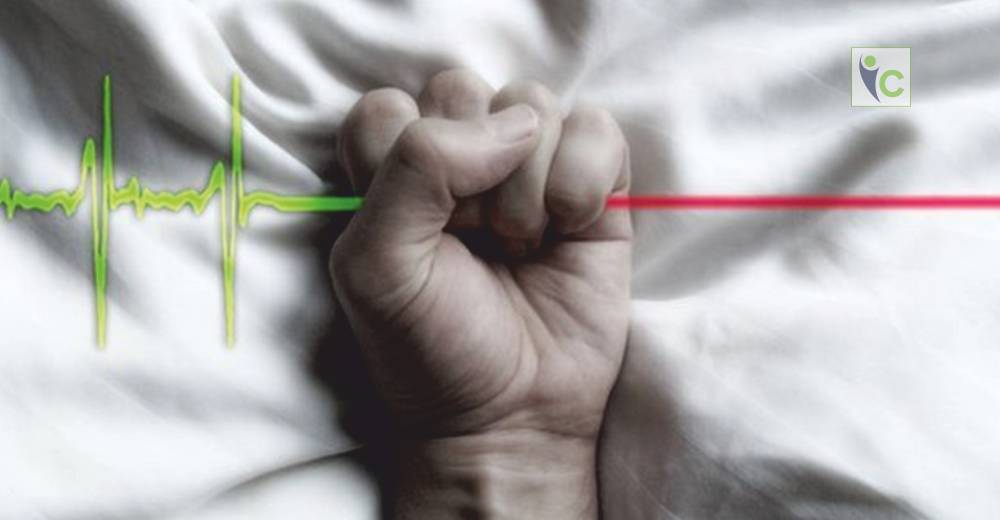
Somewhere in the world, an old man was on his death bed, doctors pumping life into him artificially. He wished to die peacefully in his own home, surrounded by his family, and not on some hospital bed. Placing this will in front of the doctor and his family members, he asked them to take him home when still alive and let him die at his own conditions. After all the arguments and looking at his irreversible medical condition, they had to comply with his wish and they arranged to take him home. Living at the mercy of a ventilator, he asked to be free of this life-support after he met all his family for the last time, dying happily surrounded by everyone that he loved. The old man chose what we today call Passive Euthanasia.
The word Euthanasia, widely known as mercy killing, has created a hustle enough to grab everybody’s attention today. Sometimes attached with sentiments, sometimes with controversies, and sometimes with ethics, it has divided the world population in two parts- those in favor of and those against. Coming from the Greek words- ‘Eu’ meaning good, and ‘Thanatosis’ meaning death, Euthanasia is basically a term for ‘Good Death’. It is a term used for what they call peaceful, dignified, easy, or gentle death.
In our history, we can find countless acts where hopelessly incurable patients were given easy death. Years ago, in Greece, patients with terminal illness suffering with a lot of pain were given a poisoned drink, in the form of a medicine, by the physicians in order to bring them an easy death. Also, in India, incurable patients were drowned in River Ganges, to release them from the life full of pain. These are the perfect examples of active euthanasia- an act to bring upon a deliberate and direct death to a patient. In ancient times passive euthanasia, correctly termed as orthothanasia, was also practiced. In this, the patients are allowed to die, by with-holding or withdrawing the treatment, rather than killing them directly. During the rise of Nazis, under a program to eliminate life unworthy of life, Hitler ordered the sick and disabled to be euthanized on large-scale, in 1939. Although all through the history most of the religions and philosophers deemed euthanasia as a sin or a crime, there were some who advocated the action, for good, bad, as well as horrendous reasons.
There are various forms of Euthanasia- active and passive that we saw before, voluntary, non-voluntary, and involuntary, direct and indirect, and assisted suicide. Euthanizing a person on his/her own request is voluntary euthanasia. In non-voluntary euthanasia, a person is not in the condition to place the request or unable to make the choice, like a child or a mentally unfit patient, so someone on the behalf of them takes the decision. When the patient refuses to die and even then is euthanized, such a case falls under involuntary euthanasia and is mostly ruled as murder. In indirect euthanasia, a patient is given a treatment that has the side effect of speeding up the process of their death. This is usually done with the intention of reducing the pain and also called as palliative care today. As the motto is not to kill the patient but reduce the pain, it is accepted as euthanasia. In assisted suicide, a dying person who needs help to kill themselves is assisted in doing so to allow easy death.
The argument about the morality as well as the legality of mercy killing is age-old. It prevails even today and may exist always.
Most of the religions believe that the life is given to us by god and it is not ours to take. Moreover, euthanasia decreases our respect towards the sanctity of life, they argue. Although free to do our will, by taking someone’s life or helping in the act, we deny god’s right over our lives and hence euthanasia is morally unacceptable.
While this is the religious attitude, there are several practical reasons that put euthanasia under the bad light. People have argued about how there is no way to perfectly regulate euthanasia and how, once legalized, it can be misused to take somebody’s life for other benefits. There is an argument that voluntary euthanasia can be the beginning of the slippery slope towards the involuntary one. Then there is some philosophers’ long-standing feud about mercy killing not being in the best-interest of the patient and no living soul, in how much ever suffering, should be willing to kill themselves, under the pressure of euthanasia. They have also argued about how ending a person’s life not only affects him/her, but also their family and friends as well as society as a whole, and hence is not in the best interests of everyone. It is also said to give too much power to the doctors and hamper their commitment to the patients and demotivates the research of better cures. Many people believe that palliative care eliminates the need of euthanasia.
Recently, a lot of people have spoken up in the favor of euthanasia. They believe that it is a person’s right to choose to end the pain and the right to die. According to some, human rights that exist already cover the right of a person to die. There are arguments about how in the suffering of a patient, their family and friends suffer along with them, emotionally, financially, as well as physically. The patients choose euthanasia to end their pain as well as their loved ones’. Some people do not have resources to afford palliative treatment and hence, the patient suffers immeasurable pain and death may be a better option for them. It is argued that it is possible to regulate euthanasia; some go to an extent to say that the laws against murder are sufficient for such regulations. They say that if the death of a person causes no harm to anyone, their right to die shouldn’t to be taken away from them.
These differences in people’s beliefs and thoughts continue to exist. They exist in the arguments of medical experts as well; while some speak in favor of it, some are completely against. There may never be a definitive answer to the question of ethical validation of euthanasia.
Many efforts have been made to change the laws and policies related to euthanasia in various countries. Even then, we see a limited success to its legality in today’s day. Belgium has the most liberal law for euthanasia; it not only gives the right to physically and mentally ill adults to it, it has also legalized euthanasia for terminally-ill children. Other countries where mercy-killing has been made legal are Colombia, Netherlands, Luxembourg, and Canada. While active euthanasia is illegal in many countries, passive has been made legal by many of them, including Argentina, Chile, India, Germany, Finland, Sweden, to name some. Australia, Turkey, France, and Philippines are one of the few countries where any form of euthanasia is completely illegal. Western countries are seen to become more accepting of people’s right to die, but on their own conditions that are sometimes liberal and sometimes stringent.
Euthanasia, a word associated with morality, ethics, controversies, arguments, and so much more, has been a good and bad story of many people’s life. While it can be exploited for heinous reasons, with proper regulation policies in place it is the end of pain for many. Used as a blessing in disguise, a blessing of peaceful death, it may enforce the complete freedom a person can have over their lives. Yet, the question remains, about its morality and acceptance. And maybe it always will.